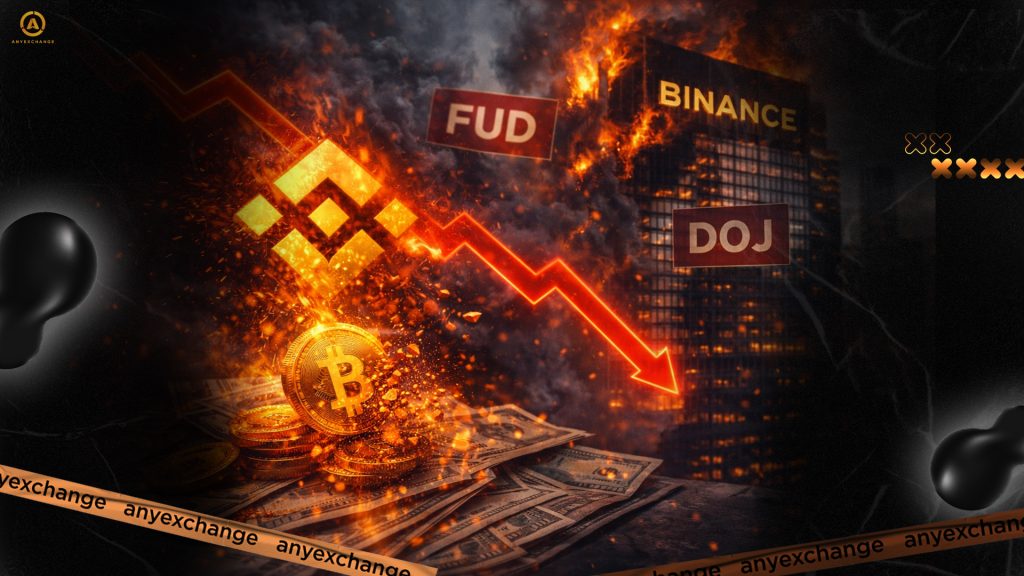
At the beginning of 2026, the market was alarmed by the decrease in Binance’s Bitcoin reserves. The world’s largest cryptocurrency exchange began to record a noticeable decrease in BTC in its wallets, raising questions: Are there hidden problems, or is this normal? Is Binance really withdrawing bitcoins from the exchange?
Historically, such dynamics have been associated with crises. On the other hand, however, the outflow from crypto exchanges may indicate the opposite: users are taking their assets into personal storage for long-term holding. This indicates market maturity; investors are moving away from centralized exchanges to store BTC independently.
Let’s examine the statistics, on-chain data, and analytics to understand the meaning of the decline in BTC reserves and the current state of Binance’s reserves.
What happened to Binance’s reserves
The latest Binance Proof of Reserves report for Bitcoin as of February 1, 2026 contains the following data:
- user balance: 639,149 BTC;
- on-chain balance: 639,587 BTC;
- coverage ratio: 100.07%.
These figures show that the exchange fully covers its obligations to customers and has a slight reserve above the required level. However, there has been a decline compared to previous periods. Despite full coverage, the total amount of BTC in the exchange’s wallets continues to fall.
On-chain data from CryptoQuant and Glassnode indicates a steady downward trend overall. Bitcoin (BTC) reserves on centralized trading platforms, including Binance, have been falling since late 2025. CryptoQuant also records an increase in the inflow of BTC to exchanges from medium-term holders. However, the overall balance is still declining due to the general trend of withdrawing assets. Therefore, the current decline in Bitcoin reserves is a global phenomenon observed on nearly all CEXs.
Let’s return to Binance, one of the most influential exchanges in the CEX segment and the market leader in liquidity.
In December 2025, Binance’s BTC reserves hit a five-year low, with daily withdrawals reaching the thousands of BTC. In one week in January 2026, users withdrew approximately $2.14 billion in BTC. Binance’s Bitcoin reserves have fallen significantly and not just symbolically or as a one-off spike.
The market has paid close attention to this trend because it remembers similar events. Similar processes preceded the collapse of FTX in 2022 and therefore cause understandable concern. Additionally, doubts and fears have emerged following the substantial flash crash on October 10, 2025, which involved $19 billion in positions. Binance is still being questioned about this event, as it became the main scapegoat in the eyes of angry traders.
The main reasons for the decline
Let’s try to figure out why Bitcoin reserves are falling.
Investors are withdrawing Bitcoin from Binance at an unprecedented rate. This behavior is classic after a period of high volatility and FUD (fear, uncertainty, and doubt). At the same time, there is a massive withdrawal of funds from crypto exchanges across the market. It’s important to understand that the decrease in BTC on Binance’s balance sheet does not mean the exchange has lost funds. It’s simply users voluntarily transferring assets to external addresses. This is the main reason.
It is also worth noting the growth of self-custody and cold wallets. The transition of investors to self-custody is already a fundamental trend based on the following factors:
- decreased trust in centralized intermediaries;
- growing understanding of the principle “not your keys — not your coins”;
- the strengthening of self-custody as a security standard.
Another important aspect involves institutional investors. Major players are actively transferring BTC from CEX to custodial ETFs (BlackRock, Fidelity) and to institutional cold storage. They are also using it in direct OTC transactions outside of exchanges.
Is this a problem or a normal process?

At first glance, it may seem like a sign of financial problems. However, it is important to distinguish between two fundamentally different phenomena: outflow of funds and a liquidity crisis.
An outflow of funds occurs when users voluntarily withdraw assets, and the exchange calmly processes all transactions. A liquidity crisis occurs when an exchange is unable to meet its obligations.
In Binance’s case, the situation remains stable. Its reserve coverage ratio exceeds 100%, meaning customer funds are fully secured.
As we mentioned, the most famous negative case is the collapse of FTX in 2022. At that time, the decline in reserves was accompanied by hidden debts, misuse of customer assets, and an inability to withdraw money.
However, the current situation with Binance is fundamentally different. The exchange continues to process multi-billion-dollar withdrawals without delay. Transparency through Proof of Reserves confirms the existence of assets. In 2025, Binance survived an instant collapse and remained stable, paying out $188 million from its insurance fund.
Furthermore, the market is familiar with the exact opposite scenario. For example, in 2019–2020, a decline in BTC exchange reserves was followed by significant market growth. From a fundamental point of view, a reduction in reserves can be a positive factor. When BTC is withdrawn from exchanges, the supply available for quick sale decreases, as does the likelihood of panic selling, while long-term asset retention by investors increases. This is why Glassnode and CryptoQuant analysts view the current dynamics as potentially bullish.
Thus, the current changes are not the result of a crisis, but rather a transformation of the storage model. In short, this is not the destruction of infrastructure, but rather a decline in the role of CEX as a long-term storage option.
Impact on the Bitcoin Market
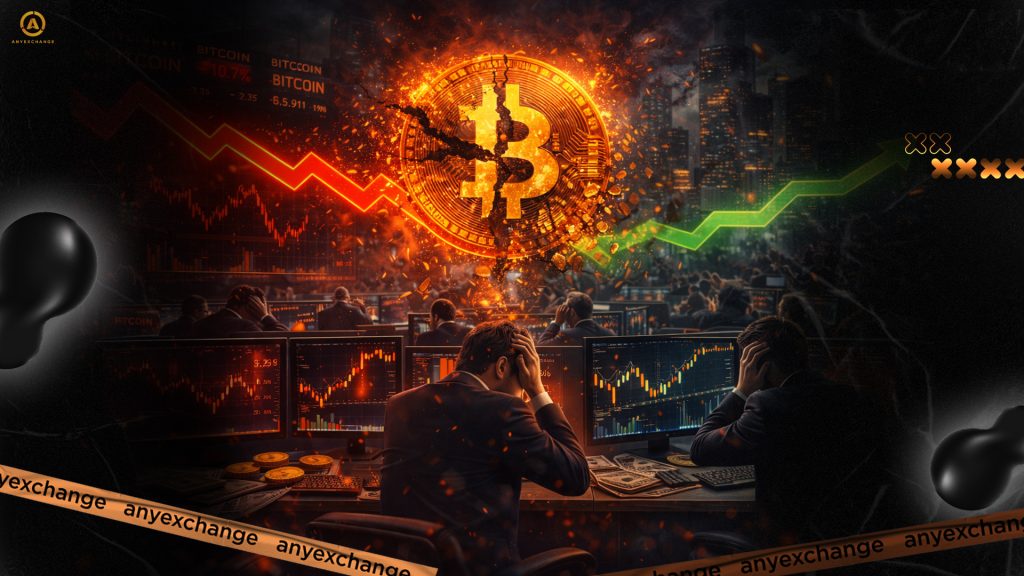
In early 2026, the price of Bitcoin fell by more than 20% from local highs. At first glance, this seems counterintuitive. However, it is important to understand the sequence of events. Investors are not preparing to sell the asset immediately. In fact, they are deliberately moving coins into long-term storage.
How does the outflow of BTC affect the market? It reduces the amount of BTC available for trading. This creates a foundation for reducing the likelihood of sharp declines, stabilizing the market after periods of high volatility, and promoting future growth.
Therefore, the reserves of crypto exchanges and the price of Bitcoin are not directly or instantly linked. In the short term, the price may decline due to various factors, but in the long term, a reduction in supply puts less pressure on the price from sellers, which acts as a growth factor. This is especially true given Bitcoin’s limited issuance of 21 million coins, most of which have already been mined.
Binance’s response and the community’s reaction
After the reduction in the exchange’s Bitcoin reserves became apparent, Binance representatives made public comments to address users’ concerns.
- CEO Richard Teng explained that the situation was not related to problems with the exchange but rather to changes in investor behavior and asset reallocation. He emphasized that Binance continues to process all withdrawals without restrictions and that the current dynamics are a normal market process.
- Additionally, Binance has taken extra steps to enhance reliability by converting the SAFU (Security Asset Fund for Users) fund, worth approximately $1 billion, primarily into Bitcoin and storing it exclusively in Binance’s cold wallets. This has strengthened confidence in Binance and its reserves.
- Binance also regularly updates its Proof of Reserves. These reports allow Binance to verify that user assets are fully backed by real BTC. Binance publishes these reports monthly using zk-SNARKs, a zero-knowledge cryptographic technology that verifies the existence of funds without revealing confidential user data. This is an important difference from past crises when CEXs concealed real data about asset collateralization.
As for traders and analysts, after some initial uncertainty and discussion, most now believe that current market dynamics are not systemic but rather indicate growing maturity.
What does this mean for investors?
Currently, there are no objective signs of a threat to users. Despite Binance’s decreased Bitcoin reserves, the coverage ratio remains above 100%. This indicates that the crypto exchange fully secures its customers’ funds.
It’s important to note that the reduction in Binance’s reserves is due to user withdrawals, not a shortage of assets on the exchange.
Overall, the security of funds on Binance remains high. However, the market is gradually changing its behavior model. Investors are increasingly unlikely to use centralized exchanges to store BTC and other assets, preferring personal wallets and full control over their funds.
Modern investors can independently verify the status of exchange reserves using tools such as Proof of Reserves reports.
Proof of Reserves reports. CEXs usually publish data on their reserves, including the volume of BTC and the coverage ratio of liabilities, on their official websites.
Analytical platforms: Platforms such as CryptoQuant, Glassnode, DefiLlama, and Nansen allow cryptocurrency users to analyze on-chain data from Binance and other exchanges. Users can track Bitcoin inflows and outflows, the total balance of exchange wallets, and other metrics that help them assess the impact of exchange reserves on the market.
Frequently Asked Questions (FAQ)
- Is a reduction in reserves a sign of problems?
Not necessarily. Binance’s current reduction is happening with full coverage of liabilities; the exchange has enough BTC to secure all user funds. This trend is usually associated with an outflow from exchanges to investors’ personal wallets or institutional storage facilities. This is a normal process, especially in a mature market, where investors seek to store their assets independently.
- Can Binance freeze withdrawals?
In theory, any centralized exchange can temporarily restrict operations in exceptional situations, such as during technical updates or due to regulatory requirements. In practice, however, Binance continues to process withdrawals, even the largest ones, without restrictions. This confirms that the decline in reserves is due to investor actions rather than technical or financial problems.
- How can you check the actual state of the exchange’s reserves?
Official Proof of Reserves reports provide information on the total balance, liabilities to users, and coverage ratio. Independent analytical platforms allow you to analyze the exchange’s on-chain metrics by tracking real transactions and wallet balances.
- Does this affect the long-term price of Bitcoin?
Yes, most often positively. When Bitcoin leaves crypto exchanges, the number of coins available for sale decreases. This reduces seller pressure and creates a supply shortage. This is why, in the long term, crypto exchange reserves and the price of Bitcoin are inversely related. The fewer Bitcoin coins there are on exchanges, the greater the potential growth when demand increases.
Conclusion
So, why is Binance reducing its Bitcoin reserves? The current reduction is the result of a fundamental change in the behavior of market participants, not a sign of exchange instability. An increasing number of investors prefer to manage their assets independently by transferring them to personal storage. Therefore, a similar trend is evident across the market.
It’s important to note that this is happening with full coverage of liabilities and regular publication of Proof of Reserves reports, which confirm the availability of funds and transparent auditing of reserves.
From a market structure perspective, the outflow of Bitcoin from crypto exchanges is a positive factor. When less BTC is available for immediate sale, the potential price pressure decreases, creating a supply shortage of the coin, whose issuance is already limited.
According to analysts, the current situation ultimately demonstrates the maturity of the crypto market. Investors are becoming more informed, and the transparency of exchanges and the ability to conduct independent analysis allow for an objective assessment of risks. These factors strengthen confidence in the infrastructure and form a more stable foundation for the future growth of the Bitcoin market.
Thank you for your attention. Invest safely and profitably!
AnyExchange is an exchange service that allows you to convert popular digital assets at the most favorable exchange rates and make secure money transfers around the world.